

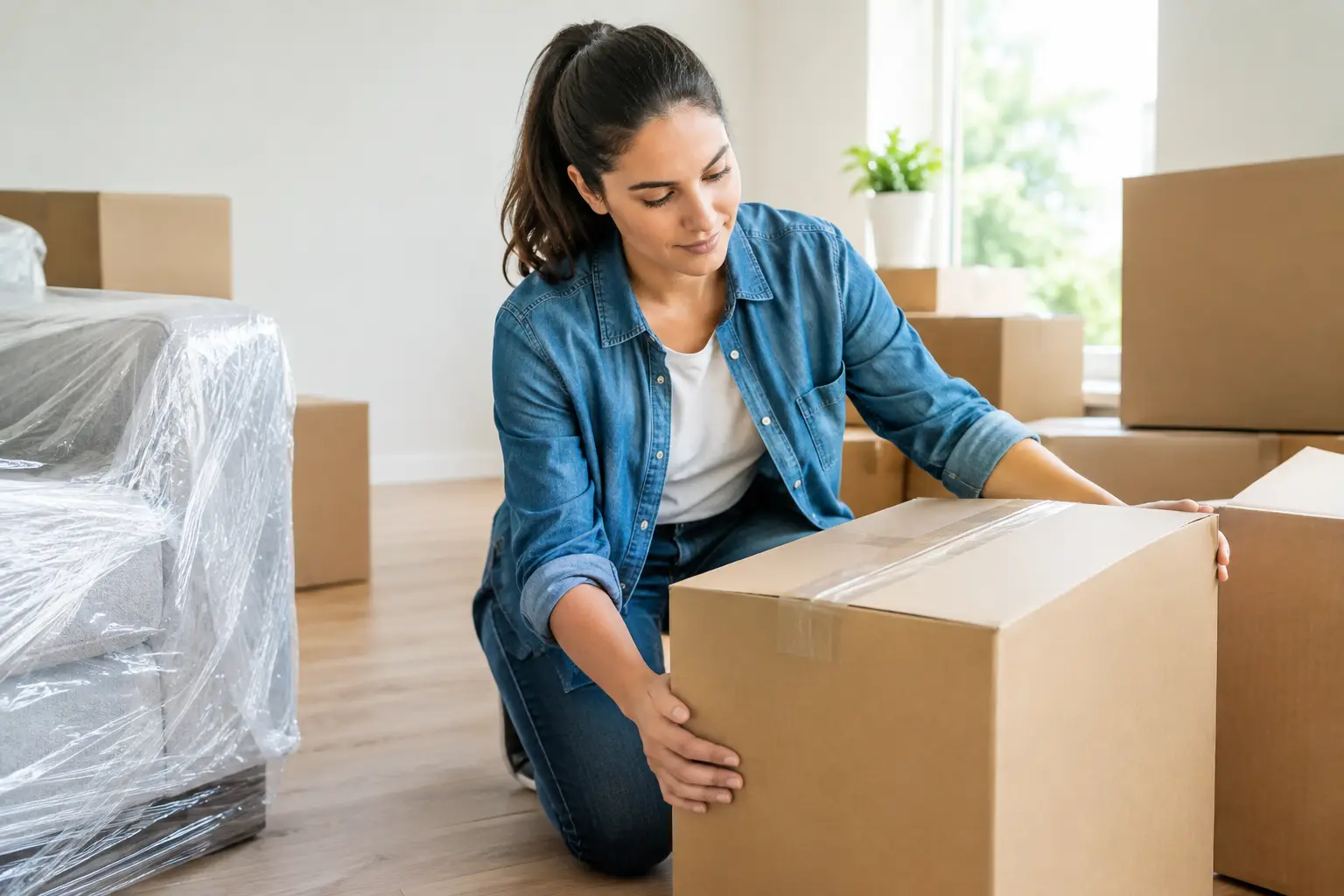
A move can go sideways in a few seconds: a box splits on the stairs, a dresser corner catches the doorway, or a television gets packed with no protection around the screen. This moving damage prevention guide focuses on the moments that create the most risk, so you can protect your belongings, your current home, and the place you are moving into.
The goal is not to wrap every item in half a roll of bubble wrap. It is to use the right protection, a sensible loading plan, and enough help for the heavy or awkward pieces. A little preparation before moving day can prevent expensive replacements, repair charges, and a lot of unnecessary stress.
Start With a Damage Prevention Plan
Before packing begins, walk through each room and identify the items that cannot be replaced easily. That may include family photos, artwork, electronics, heirlooms, glass tables, large mirrors, and furniture with delicate finishes. Set those items aside on your moving plan instead of treating them like ordinary household goods.
Take clear photos of valuable furniture and electronics before the move. Photos provide a useful record of condition, but they also help you remember where cords, shelves, and removable parts belong. For larger pieces, measure the item along with tight hallways, stair landings, elevators, and door frames. A sofa that fits in the living room does not automatically fit through the front door.
This is also the right time to decide what should be moved by trained help. Large appliances, oversized sectionals, solid-wood furniture, and mounted TVs are common sources of injuries and property damage when people try to force a DIY move. There is a cost trade-off, of course, but professional hands-on labor can be less expensive than replacing a damaged item or repairing a wall, floor, or railing.
Pack for the Trip, Not Just the Box
A box only protects what is inside when it is packed correctly. Choose sturdy boxes that are dry, clean, and free from crushed corners. Reusing boxes can be practical, but skip any that feel soft or have already lost their shape.
Put heavier items in smaller boxes and lighter items in larger boxes. Books, canned goods, tools, and records become difficult to lift quickly when packed into oversized containers. Fill empty space with packing paper, towels, or soft linens so items cannot shift during loading and transport. A box should feel full, but its lid should close without bulging.
For breakables, wrap each piece individually and place padding at the bottom, sides, and top of the carton. Plates usually travel best when packed vertically, like records in a crate, rather than stacked flat. Glasses should be wrapped and kept upright with dividers or cushioning between them. Label these boxes on more than one side, and write the room where they belong at the new home.
Avoid relying on garbage bags for anything fragile, sharp, or valuable. They can tear, hide hazards, and are easily mistaken for trash. Clear bins may work well for linens or lightweight items, but they are not a substitute for properly padded boxes when moving breakables.
Give Electronics Extra Attention
Electronics need protection from impact, moisture, and loose accessories. Whenever possible, use the original box and foam inserts for televisions, computers, monitors, speakers, and gaming systems. If the original packaging is gone, use a correctly sized TV box or a sturdy carton with foam corners and padding around every side.
Do not lay a television screen-down on a hard surface or stack anything against the display. Remove cords, remotes, and detachable stands, then keep them in labeled bags secured to the appropriate box. Take a photo of cable connections before unplugging equipment. It will save time when you are ready to set up your new space.
Protect Furniture, Doors, and Floors
Furniture damage often happens during carrying, not in the truck. Wrap wood, upholstered pieces, and delicate finishes with moving blankets or furniture pads. Secure the pads with stretch wrap or tape applied to the padding, never directly to finished wood or upholstery. Tape can leave residue or pull away a finish when removed.
Disassemble what makes sense. Remove legs from tables when possible, take shelves out of bookcases, and secure drawers so they cannot slide open. Keep hardware in labeled bags and tape those bags to the underside or interior of the relevant piece. Do not place loose screws in a general box and hope to sort them out later.
Protect high-contact areas in both homes before moving large items. Floor runners, cardboard pathways, corner guards, and door-frame padding are especially helpful in narrow Austin apartments, older homes with tight hallways, and houses with light-colored walls. Covering these surfaces takes a few minutes and can prevent scuffs, scratches, and move-out charges.
Use proper lifting technique every time: keep the load close, lift with your legs, and avoid twisting while carrying. If an item blocks your view, is too heavy to control, or requires navigating stairs, it needs another person or professional movers. Rushing is one of the biggest causes of dropped furniture and injuries.
Load the Truck in the Right Order
Loading is where careful packing either pays off or falls apart. Start with the heaviest, most stable items, placing them toward the front of the truck near the cab. Appliances, dressers, mattresses, and sturdy furniture create a foundation. Keep weight balanced from side to side so the load is easier to manage on the road.
Place furniture upright when it is designed to stand upright, and use moving blankets between pieces so surfaces do not rub together. Secure each section with ratchet straps or moving straps. The goal is to prevent shifting, not to cinch straps so tightly that they damage wood or upholstery.
Boxes should be stacked by size and weight, with heavy boxes low and lighter ones on top. Keep fragile boxes on top of stable loads where they will not be crushed or slide. Do not use boxes as filler around unstable furniture. If there is an open gap, use blankets, pillows, or other soft materials to reduce movement.
A few items should travel with you instead of in the truck: medications, legal documents, jewelry, keys, chargers, important work equipment, and an overnight bag. That keeps essential items close and removes the risk of them being misplaced during a busy unload.
Slow Down at the New Home
Damage prevention does not end when the truck arrives. Before unloading, check the path from the curb or parking area to the door. Look for wet surfaces, loose gravel, low branches, narrow turns, and pets or children who may be underfoot. If the weather is rainy, lay down floor protection and dry shoes as needed.
Direct boxes and furniture into the correct rooms from the start. This reduces repeated lifting and lowers the chance that someone drags a heavy piece across a floor later. Place boxes against walls rather than in doorways, and leave clear walkways for anyone carrying large items inside.
Inspect major belongings as they come off the truck. If you notice damage, take photos before unpacking or attempting a repair. It is far easier to identify what happened while the move is still in progress than after boxes have been scattered throughout the house.
When Professional Help Makes the Difference
Some moves are straightforward: a few boxes, a small apartment, and furniture that can be carried safely by two people. Others involve multiple flights of stairs, bulky pieces, time-sensitive move-out deadlines, or items that need special care. Knowing the difference is part of protecting your home and belongings.
For Central Texas residents who want an extra set of capable hands, Smart Solutions TX can help with packing, loading, unloading, furniture assembly, and secure TV mounting after the move. Background-checked technicians and a 90-day service guarantee add accountability when you are trusting someone with the details that matter in your home.
A careful move is built from small decisions: using a box that can carry the weight, padding the doorway before the dresser comes through, and asking for help before a lift becomes unsafe. Give yourself enough time, protect the high-risk items first, and let the new home feel like a fresh start instead of a repair list.