

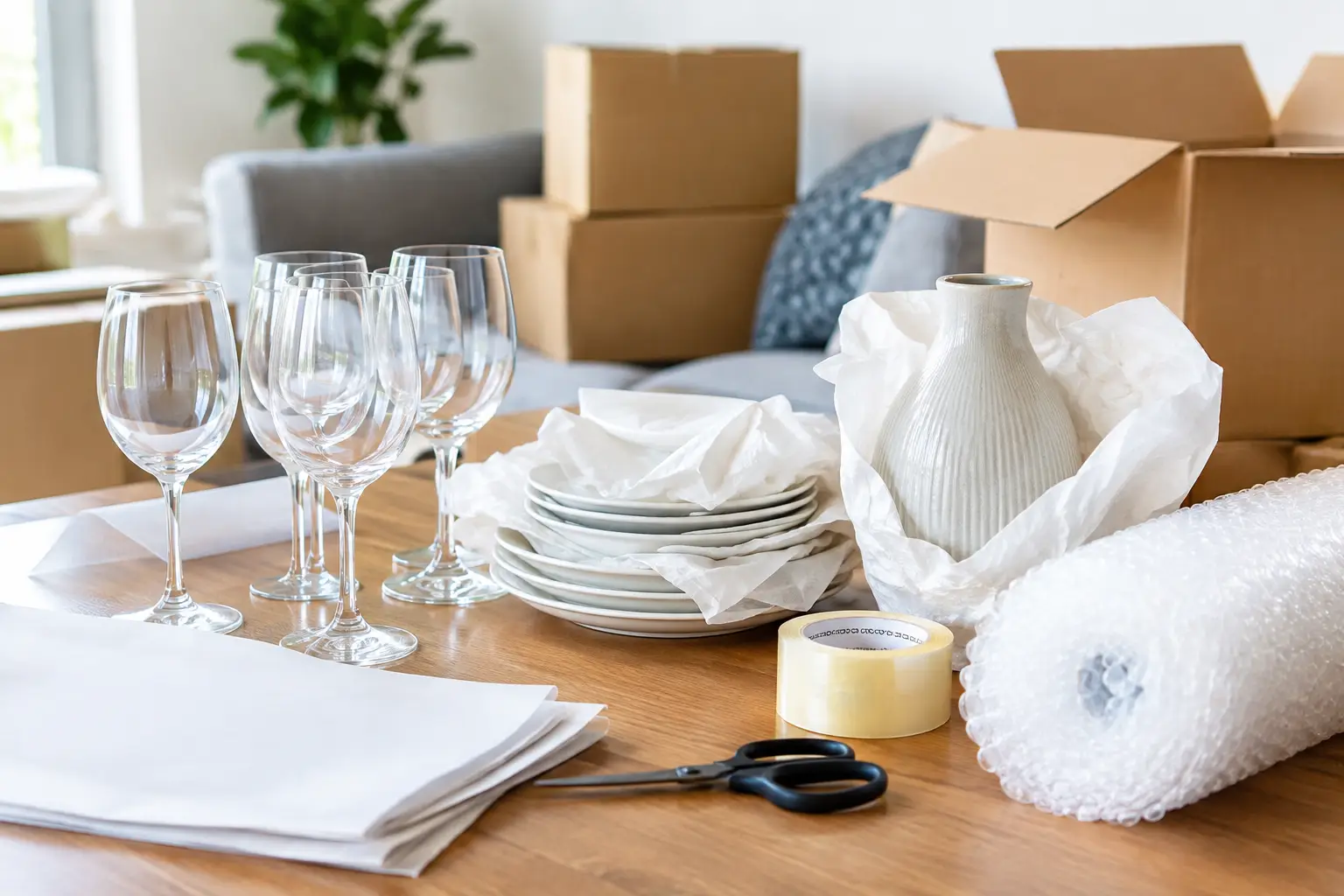
A cracked TV screen, a chipped heirloom plate, or a shattered framed print can turn an otherwise successful move into a frustrating loss. Fragile belongings need more than a box and a layer of newspaper. They need the right protection, packed in the right order, with enough time and care to prevent shifting before the truck even starts moving.
The essential supplies for fragile moves are not complicated, but choosing them well makes a real difference. Whether you are moving across Austin, settling into a new Central Texas home, or preparing for a long-distance relocation, a thoughtful packing setup helps protect the things that cannot be easily replaced.
Start With Boxes Built for the Job
Not all cardboard boxes offer the same level of protection. Thin, previously used boxes can work for lightweight linens or pantry items, but fragile belongings deserve sturdy, clean boxes with firm corners and no moisture damage. A box that has already weakened under a previous move may collapse when stacked in a truck.
For dishes, glasses, and other dense breakables, use small or medium double-wall boxes. Heavy items placed in oversized boxes become difficult to carry safely and are more likely to shift. Smaller boxes keep the weight manageable for whoever is loading and unloading them.
Specialty boxes are often worth the added cost when they match the item. Dish pack boxes are reinforced for kitchenware. Adjustable TV boxes offer better protection than wrapping a television in a blanket alone. Picture and mirror boxes can be sized around framed art, mirrors, and wall decor. If a fragile item has unusual dimensions, choose a box that leaves room for cushioning without giving it so much empty space that it can slide around.
Essential Supplies for Fragile Moves
A reliable packing kit should give you protection on every side: around the item, between stacked items, and inside the box. Gather supplies before you begin packing so you are not tempted to cut corners halfway through the process.
- Bubble wrap: Use it for glassware, ceramics, lamps, small electronics, and delicate decorative pieces. Larger bubbles provide more cushioning for heavier items, while smaller bubbles work well around details and corners.
- Packing paper: Clean, unprinted packing paper is ideal for wrapping dishes, filling open spaces, and separating items inside a box. Unlike newspaper, it will not leave ink marks on your belongings.
- Foam sheets and corner protectors: These are especially useful for mirrors, framed art, tabletops, screens, and furniture with sharp or delicate edges.
- Packing tape and a tape dispenser: Strong packing tape seals box seams and helps reinforce the bottom of heavier boxes. A quality dispenser saves time when you are working through multiple rooms.
- Stretch wrap: This helps keep drawers closed, cushions attached, and protective blankets in place. It is useful for furniture, but it should not be wrapped directly against delicate wood finishes for extended periods.
- Moving blankets: Thick moving blankets protect furniture, TVs, mirrors, and larger pieces during carrying and transport. They are far more protective than standard household blankets.
- Permanent markers and fragile labels: Clear labels tell movers what is inside, which side should stay upright, and which boxes need extra care. Labels do not replace careful packing, but they reduce guesswork on a busy move day.
It also helps to keep scissors, a utility knife, resealable bags, and a notebook close by. Small hardware, remote controls, cables, and mounting parts are easy to misplace during a move. Place them in labeled bags and tape the bag to the matching item or store all of them together in an essentials box.
Wrap Each Item for Its Actual Risk
The goal is not to use the most material. It is to use the right material where pressure, impact, and movement are most likely.
For plates, place a sheet of packing paper on a flat surface, set one plate near a corner, and wrap each plate individually. Stack wrapped plates vertically inside the box rather than flat. Vertical packing distributes pressure more evenly and lowers the chance of a plate cracking under the weight of those above it. Add crumpled paper at the bottom, sides, and top of the box.
Glasses and stemware need individual wrapping, with extra paper tucked inside the bowl or cup. Wrap the stem carefully, then place glasses upright in a divided dish box if possible. Do not nest fragile glasses directly inside one another, even when it seems space-efficient.
For framed art and mirrors, protect the glass with painter’s tape in a large X pattern before wrapping. The tape will not prevent breakage, but it can help contain the glass if an impact occurs. Cover corners with foam protectors, wrap the piece in bubble wrap or a moving blanket, and place it upright in a properly sized picture box.
Electronics require a different approach. If you still have the original packaging, use it. Original inserts are designed to hold the device in place. If you do not, wrap screens with a clean foam sheet or microfiber cloth first, then add bubble wrap and place the item in a snug box. Never place heavy items on top of televisions, monitors, game consoles, or speakers.
Fill Every Gap, But Do Not Overpack
A fragile box should not rattle when gently moved. After placing wrapped items inside, fill open spaces with crumpled packing paper, foam peanuts, or air pillows. This interior cushioning keeps belongings from knocking together during turns, stops, and loading.
At the same time, avoid forcing too much into one box. Overpacking can put constant pressure on glass, ceramics, and box seams. The top flaps should close naturally without bulging. If they do not, move a few items to another box and add protective fill instead.
Before sealing, use the simple shake test. Hold the box with both hands and move it gently. If you hear or feel movement, add more filler. Then tape the bottom and top seams using the H-tape method: one strip down the center seam and one strip across each edge. This gives heavy boxes more support where they need it most.
Label for Safe Loading and Easy Unpacking
Write more than “fragile” on the outside. Include the room, a brief description of the contents, and handling instructions such as “This Side Up” or “Do Not Stack.” For example: “Kitchen – Wine Glasses – Fragile – This Side Up” gives everyone clearer direction than a generic warning.
Use labels on at least two sides and the top of each box. That way, the information remains visible when boxes are stacked. Consider numbering boxes or keeping a quick inventory on your phone for especially valuable pieces. This is helpful when you need to locate a coffee maker, baby monitor, medications, or important electronics shortly after arriving.
Protect Fragile Items During Loading
Even perfectly packed boxes can be damaged by poor loading. Fragile boxes should be loaded upright, placed on a flat and stable surface, and kept away from heavy furniture that could shift in transit. They should not sit beneath items with sharp legs, loose hardware, or uneven weight.
The safest location depends on the truck and the mix of belongings. In many cases, fragile boxes do best on top of heavier, stable boxes or secured in a protected area between soft furnishings. Mirrors, art, and televisions should travel upright and be secured so they cannot tip. Avoid laying screens flat unless the manufacturer’s guidance specifically allows it.
For a local move with several rooms, it can be tempting to load everything quickly and sort it out later. That is where damage often happens. A little planning during loading is usually faster than replacing a broken item after unpacking.
Know When Professional Help Is the Better Option
Some belongings carry a risk that goes beyond ordinary packing supplies. Large televisions, antiques, oversized mirrors, glass tabletops, chandeliers, pianos, and valuable artwork may need experienced handling, specialized equipment, or custom crating. DIY packing can be practical for everyday dishes and decor, but it depends on the item’s value, size, and how far it must travel.
If your move includes fragile furniture disassembly, heavy lifting, or a packed schedule, hands-on help can remove a major source of stress. Smart Solutions TX provides careful moving labor for loading, unloading, and packing support, with background-checked technicians and a 90-day service guarantee to help you move with more confidence.
Give fragile belongings the same attention you would give the new home waiting for them. With sturdy boxes, proper cushioning, clear labels, and a careful loading plan, your most delicate pieces have a much better chance of arriving ready to be enjoyed again.