

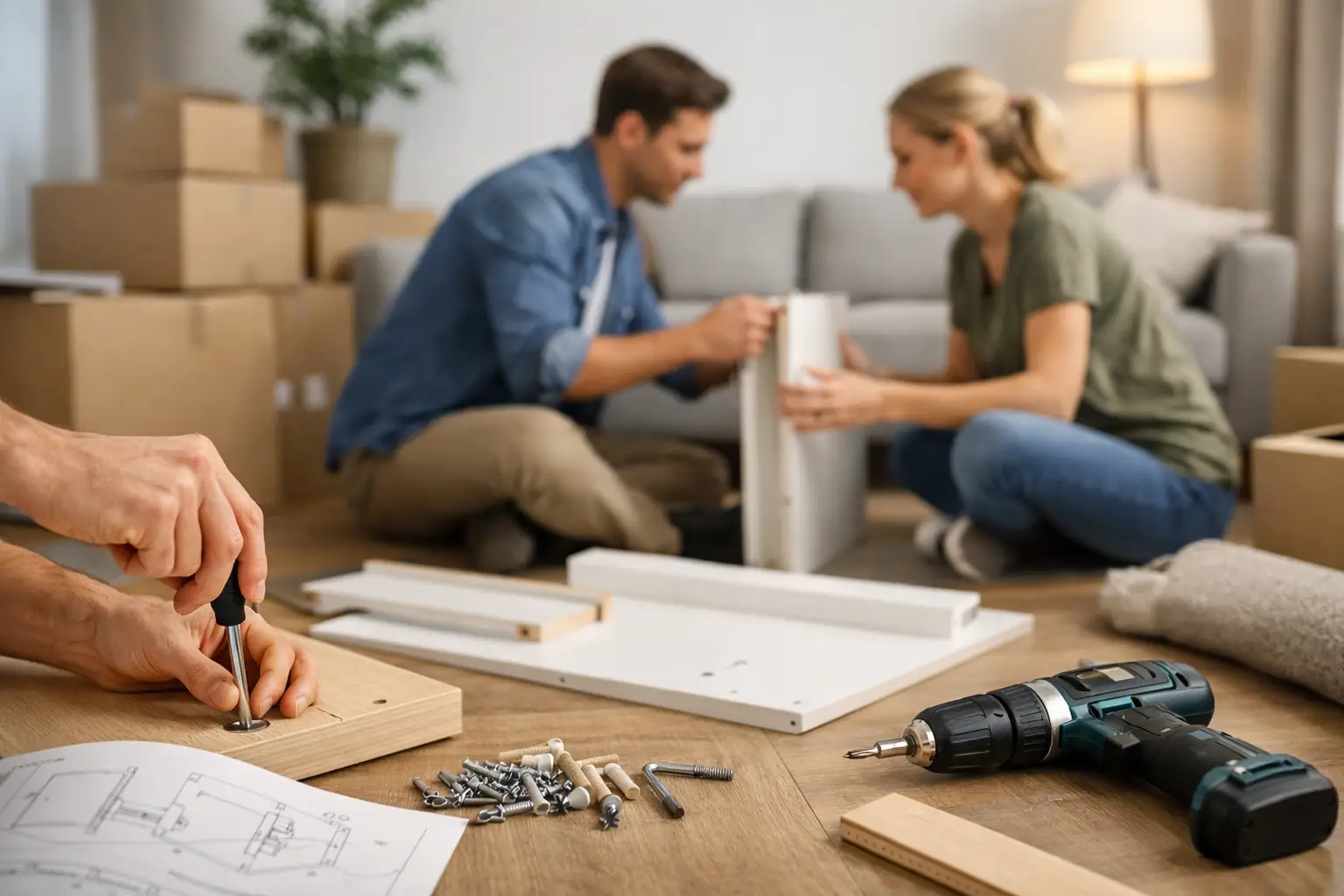
The sofa has arrived, boxes are stacked in every room, and the bed frame is still flat-packed against the wall. That is when furniture assembly timing stops being a minor detail and becomes the difference between sleeping comfortably on move-in night and searching for the right hardware at 11 p.m. A little planning protects your time, your new furniture, and your peace of mind.
For busy homeowners, renters, and families across Austin and Central Texas, the best schedule depends on the size of the furniture, access to the space, and what else is happening that day. Building everything immediately is not always the fastest route. A smart sequence keeps walkways clear, prevents unnecessary rework, and helps your home feel settled sooner.
Why Furniture Assembly Timing Matters
Furniture assembly is easier when the room is ready for it. A dresser assembled before flooring is finished may need to be moved again. A desk built before internet service is active can leave a home office half-complete. A large entertainment center assembled before a TV mounting appointment can also limit access to the wall.
The timing matters even more during a move. Movers need clear paths for boxes and large items. Assembly technicians need room to unpack panels, sort hardware, and safely work around the furniture. Trying to do both jobs in the same crowded room can create delays, scratches, and frustration for everyone involved.
There is also a practical comfort factor. Assemble the pieces that support daily life first: beds, a dining table, essential seating, and work-from-home furniture. Decorative shelving, spare-room pieces, and storage upgrades can usually wait until the high-traffic areas are under control.
The Best Furniture Assembly Timing for Move-In Day
Most move-ins work best when furniture assembly is scheduled after the major unloading is complete but before the home becomes filled with opened boxes. This gives movers a clean route to place heavy items in the right rooms, then gives the assembly team enough open floor space to work carefully.
If you are moving into a one-bedroom apartment or a smaller home, a same-day appointment may be a practical option when delivery and unloading times are predictable. For larger homes, full-house moves, or deliveries with broad arrival windows, scheduling assembly for the next morning can reduce pressure. You will have time to confirm where each piece belongs, check that all boxes arrived, and identify any missing or damaged parts before work begins.
New construction and recently renovated homes call for extra coordination. Wait until paint, flooring, punch-list work, and deep cleaning are finished whenever possible. Furniture can be difficult to shift once assembled, and dust from ongoing work can settle into drawers, upholstery, and hardware.
A Simple Order That Keeps Rooms Functional
Start with the bedroom, especially if move-in day runs long. Assembling the bed frame first means you have a reliable place to rest even if the rest of the home is still in transition. Next, prioritize the items that support your normal routine, such as a dining table, office desk, nursery furniture, or living room seating.
Save large storage systems and accent furniture for later in the schedule. Bookcases, cabinets, media consoles, and modular closet components often require more decisions about placement. Building them after you have unpacked enough to understand your storage needs can prevent an unnecessary second move.
How Long Does Furniture Assembly Take?
Assembly time is not based on box size alone. A compact nightstand with a few drawers can take longer than a simple table because drawer tracks, alignment, and hardware need careful attention. The instructions, number of parts, and whether the furniture needs wall anchoring all affect the timeline.
A basic chair, side table, or small shelving unit may take 20 to 45 minutes. A bed frame, desk, dresser, or larger bookcase often takes one to two hours. More involved pieces, including bunk beds, wardrobes, storage systems, and multi-piece bedroom sets, can take several hours.
Those ranges are useful for planning, but they are not guarantees. A missing cam lock, unclear instructions, a damaged panel, or an unexpected need to level the piece can extend the work. If multiple rooms need furnishing, leave room in the day for positioning furniture, breaking down packaging, and making final adjustments.
Professional help can shorten the hands-on time required from you, but it cannot eliminate the need for a clear plan. Before scheduling, count the pieces you need assembled, identify their rooms, and note anything that will be wall-mounted or anchored. Clear information leads to a more accurate appointment window.
Schedule Around Deliveries, Not Just Your Calendar
A common mistake is booking assembly at the time that is most convenient personally without considering delivery timing. If a retailer gives a delivery window of 8 a.m. to 4 p.m., an 8:30 a.m. assembly appointment may leave a technician waiting on furniture that has not arrived. On the other hand, waiting until late evening may leave too little time if a delivery runs behind.
When possible, schedule assembly after confirmed delivery or choose a separate day. This is especially helpful for large furniture that arrives in several boxes. Check each carton against the order before the appointment. Look for crushed corners, torn packaging, wet spots, or labels that show a box is missing. Catching a problem early is much easier than discovering it halfway through assembly.
For an apartment or condo, confirm loading-dock rules, elevator reservations, parking requirements, and building quiet hours. Some properties limit contractor access or require a certificate of insurance. A quick call to the leasing office can keep a well-planned appointment from being delayed at the door.
Prepare the Room Before Assembly Begins
The best preparation is simple: make room for the work. Clear the area where the furniture will sit as well as a nearby space for unpacking. Keep children and pets away from the work zone, since small fasteners and tools need to stay organized.
Measure doorways, stairwells, elevators, and the final location for bulky pieces. A fully assembled wardrobe may not fit through a narrow hall, which is why many large items should be assembled inside the room where they will live. If a rug will go under a bed, table, or sofa, place it first so you are not lifting heavy furniture again later.
Have the product boxes, instructions, and any included hardware available. If you purchased accessories separately, such as drawer inserts, monitor arms, headboards, or anti-tip kits, keep them nearby. Let the technician know about uneven flooring, delicate wall finishes, or planned TV mounting so the installation sequence can be handled with care.
When Professional Assembly Is Worth Scheduling
DIY assembly can work well for a simple piece when you have the time, tools, and patience to follow every step. The trade-off is that a rushed build can lead to stripped hardware, uneven drawers, loose connections, or a piece that needs to be taken apart and rebuilt later.
Professional assembly is especially helpful when the furniture is heavy, has many drawers or doors, needs anchoring, or is part of a tight move-in schedule. It also makes sense when you are furnishing several rooms at once. Rather than giving up a weekend to instruction manuals and cardboard cleanup, you can focus on unpacking, work, family, or the many other details that come with a new home.
At Smart Solutions TX, background-checked technicians provide careful, in-home furniture assembly for everything from desks and bed frames to larger bedroom and living room pieces. With fast scheduling and a 90-day service guarantee, you have added accountability when you need the job handled with precision.
Give Yourself a Buffer, Not a Perfect Minute-by-Minute Plan
The most reliable furniture assembly plan includes extra time. Deliveries can shift, a building elevator can be busy, or you may decide a dresser looks better on another wall once you see the room in person. A buffer turns those normal surprises into manageable adjustments rather than a stressful scramble.
Choose the pieces that make the home livable first, prepare each room before the appointment, and allow the rest to happen in stages. By the end of a demanding move, having one finished bedroom and one clear place to sit can make the whole home feel like yours.